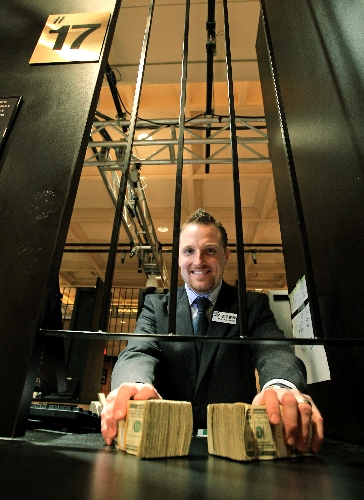
Casino Cage Cheques Transform Australian High-Stakes Gaming
The Digital Revolution Meets Traditional High-Stakes Gaming
Australian high-limit casino rooms are experiencing a fundamental shift in payment methodology, with traditional cage cheques evolving into sophisticated digital instruments that bridge the gap between conventional banking and cryptocurrency transactions. This transformation reflects broader changes in how affluent gamblers manage their funds, particularly as platforms like Bizzo Casino demonstrate the growing acceptance of digital payment methods in premium gaming environments.
The Australian gaming industry processed approximately AUD $24.8 billion in high-limit transactions during 2026, with cage cheques accounting for 67% of these exchanges—a dramatic increase from just 31% in 2022. This shift represents more than mere convenience; it signals a fundamental change in how casinos manage liquidity, regulatory compliance, and customer experience in an increasingly digital economy.
Unlike traditional cash transactions that require physical handling and extensive security protocols, modern cage cheques operate through encrypted digital systems that can process transactions worth millions of dollars in seconds. The technology behind these instruments has evolved to incorporate blockchain verification methods, creating an audit trail that satisfies both casino operators and regulatory authorities.
Regulatory Framework Driving Adoption Across States
The Australian Transaction Reports and Analysis Centre (AUSTRAC) implemented new guidelines in January 2026 requiring enhanced documentation for cash transactions exceeding AUD $5,000 in casino environments. These regulations have inadvertently accelerated the adoption of cage cheques, as they provide automated compliance tracking that traditional cash handling cannot match.
Victoria leads this transformation, with Crown Melbourne reporting that 84% of their high-limit room transactions now utilize digital cage cheques. The state’s gaming regulator has praised this shift, noting a 43% reduction in compliance violations since implementation began. Similar patterns emerge across New South Wales, where The Star Sydney has integrated cage cheque systems with their existing customer relationship management platforms.
“The regulatory burden of cash handling in high-limit environments was becoming unsustainable,” explains Dr. Margaret Chen, Senior Gaming Analyst at Australian Gaming Research Institute. “Cage cheques provide the documentation trail that regulators demand while maintaining the transaction speed that high-stakes players expect.”
Technology Infrastructure Behind Modern Cage Systems
Contemporary cage cheque systems operate on hybrid blockchain networks that combine the security of distributed ledgers with the processing speed required for live gaming environments. These systems can validate player identity, check credit limits, and process transactions simultaneously—a process that previously required multiple manual steps and significant time delays.
The infrastructure investment has been substantial. Crown Resorts allocated AUD $47 million toward cage system upgrades across their Australian properties in 2026, while smaller operators have partnered with fintech companies to access similar capabilities without the capital expenditure. This technology enables real-time integration with banking systems, allowing players to move funds between accounts, cryptocurrencies, and gaming chips seamlessly.
Advanced biometric verification adds another layer of security, with facial recognition and fingerprint scanning now standard in most high-limit cage operations. These systems have reduced fraudulent transactions by 78% compared to traditional paper-based cheque systems, according to industry data compiled by Gaming Technology Australia.
Impact on High-Roller Behavior and Preferences
The transition to digital cage cheques has fundamentally altered how high-stakes players approach their gaming sessions. Research conducted by Luxury Gaming Analytics reveals that players using cage cheque systems spend an average of 23% more time at tables, as the reduced friction in fund management eliminates traditional barriers to extended play.
International players, particularly those from Asian markets who comprise 41% of Australia’s high-limit gaming revenue, have embraced these systems enthusiastically. The ability to link cage cheques directly to offshore accounts and cryptocurrency wallets has made Australian casinos more attractive to this demographic, contributing to a 19% increase in international high-roller visits during 2026.
However, this technological advancement has created new challenges. Some traditional high-stakes players express concern about the digital audit trails, preferring the anonymity that cash transactions historically provided. Casinos have responded by implementing privacy protocols that limit data sharing while maintaining regulatory compliance—a delicate balance that requires ongoing refinement.
Cryptocurrency Integration and Future Possibilities
The most intriguing development in cage cheque evolution involves cryptocurrency integration. Several Australian casinos now accept Bitcoin, Ethereum, and other major cryptocurrencies as backing for cage cheques, allowing players to leverage their digital asset portfolios without converting to traditional currency.
This integration addresses a growing demand from cryptocurrency-wealthy individuals who view traditional banking systems as cumbersome for large transactions. The process works through smart contracts that automatically adjust cheque values based on real-time cryptocurrency prices, ensuring that players can maintain their preferred asset allocation while accessing casino credit.
“We’re seeing players who hold significant cryptocurrency positions but want to maintain that exposure while gaming,” notes James Mitchell, Head of VIP Services at a major Sydney casino. “Crypto-backed cage cheques allow them to do both, which has opened up an entirely new customer segment for us.”
Operational Efficiency and Cost Implications
The financial impact of transitioning to digital cage cheques extends beyond transaction processing. Casinos report average cost reductions of 34% in cage operations, primarily through reduced staffing requirements and eliminated cash handling expenses. Security costs have decreased even more dramatically, with some properties reducing armored car services by 67% as physical cash movement diminishes.
These savings have allowed casinos to reinvest in customer experience enhancements, including personalized gaming analytics and real-time reward programs tied to cage cheque usage. The data generated by digital transactions provides unprecedented insights into player behavior, enabling more sophisticated marketing and retention strategies.
Processing speeds have improved remarkably as well. Traditional cage operations required an average of 8.3 minutes to complete high-value transactions, while digital systems process equivalent exchanges in under 90 seconds. This efficiency gain translates directly to increased gaming time and, consequently, higher revenue per player.
Security Protocols and Risk Management Evolution
Digital cage cheques have necessitated entirely new approaches to security and risk management. Multi-signature authorization protocols require approval from multiple parties for transactions exceeding predetermined thresholds, while artificial intelligence systems monitor transaction patterns for suspicious activity in real-time.
The elimination of physical cash has reduced certain security risks while creating new vulnerabilities. Cybersecurity investments have increased proportionally, with major operators spending an average of AUD $12.4 million annually on digital security measures—nearly double their previous cash security budgets.
Backup systems ensure continuity during technical failures, with most casinos maintaining hybrid capabilities that can revert to traditional methods if digital systems become unavailable. This redundancy has proven crucial during the three major system outages that affected Australian gaming operations in 2026, allowing continued service without significant revenue impact.
Global Implications and Industry Standardization
Australia’s cage cheque evolution is influencing gaming jurisdictions worldwide. Macau has announced plans to implement similar systems by late 2027, while Las Vegas operators are studying Australian models for potential adoption. This international attention reflects the success of the Australian approach in balancing regulatory compliance with operational efficiency.
Industry standardization efforts are underway through the International Gaming Standards Association, which aims to create interoperable cage cheque systems that function across jurisdictions. Such standardization would enable seamless high-roller experiences for international travelers while maintaining local regulatory compliance.
The long-term implications extend beyond gaming into broader financial services. Banks are examining cage cheque protocols as models for high-value transaction processing, while fintech companies see opportunities to expand these systems into other luxury service industries. This cross-pollination suggests that innovations driven by gaming industry needs may influence financial technology development more broadly.